House of Representatives Bill Project
Fuel-Efficient Vehicles
The Fuel-Smart America Act (H.R. 2035)
For this project, I wrote a bill that would make fuel-efficient vehicles more affordable without requiring everyone to buy the same kind of car. My proposal combines rebates, gradual efficiency standards, exemptions for specialized vehicles, and public reporting.
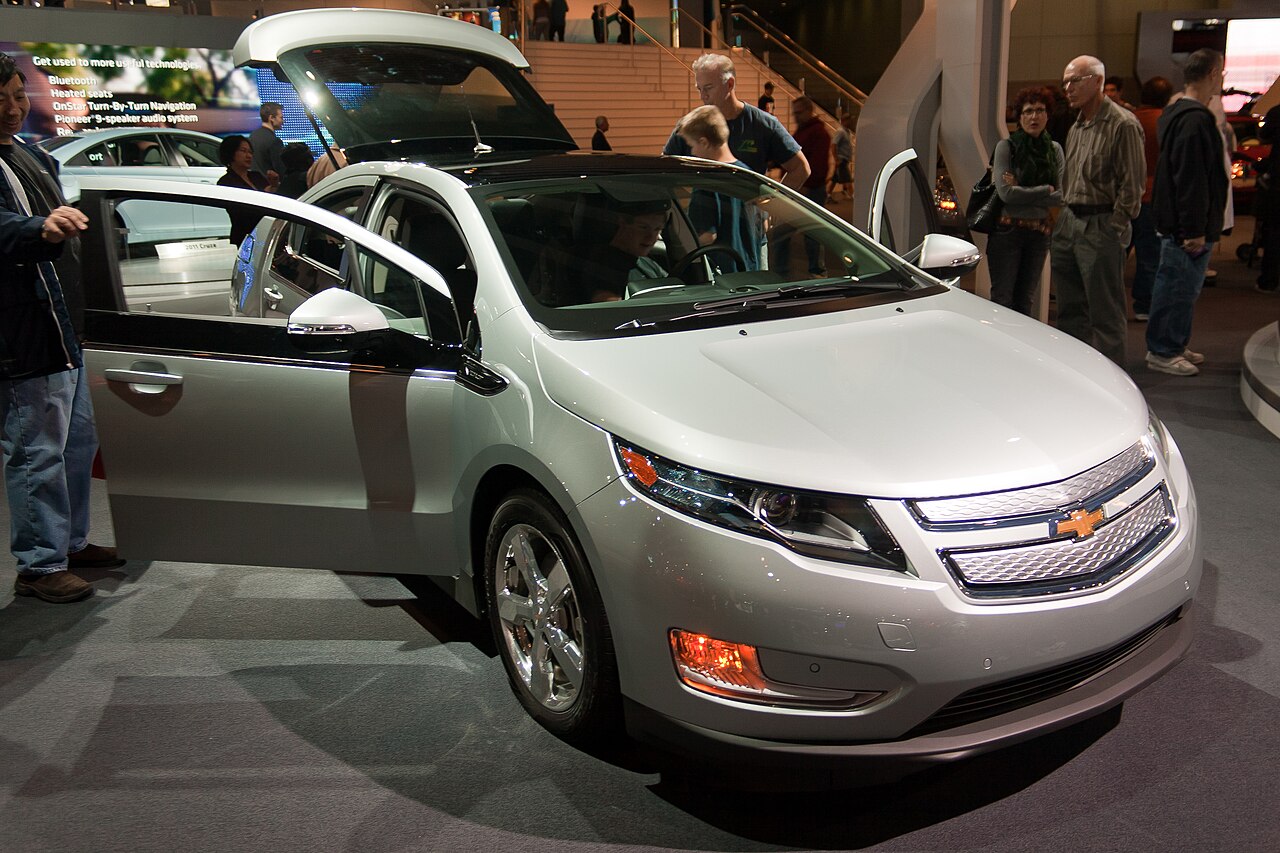
Project overview
Why I chose this issue
I chose fuel-efficient vehicles because transportation policy affects both household costs and national energy use. I wanted to write a proposal that improves efficiency but still gives drivers a choice.
- 1Help buyers at the dealership.
The bill offers a rebate for qualifying new and used vehicles, with extra help for lower-income buyers. - 2Set gradual goals.
Manufacturers would improve fleet fuel economy over time instead of facing one sudden requirement. - 3Keep consumer choice.
A gasoline, hybrid, electric, or other vehicle can qualify if it meets the same rules. - 4Include exemptions and oversight.
Specialized vehicles are protected, and agencies must publish the program’s costs and results.
Required materials
Project documents
- The bill
Full text of H.R. 2035, including its five sections, funding, exemptions, and oversight.
- Letter to Representative Mike Levin
A one-page letter explaining the proposal and asking for support.
- Works Cited
Six federal sources in MLA format, plus additional research links.